Tailor & Fashion Designer Jobs in Nigeria 2026: Export & Local Market Opportunities

Tailor & Fashion Designer Jobs in Nigeria 2026: Export & Local Market Opportunities
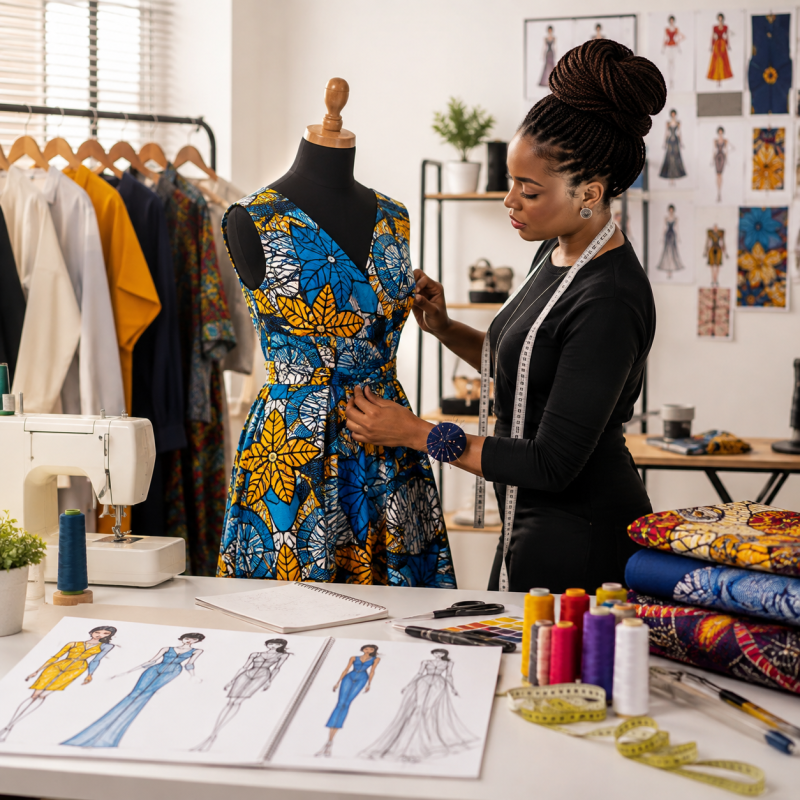
The Nigerian fashion scene has aggressively outgrown the era of neighborhood corner-shop tailors and disjointed production chains. By 2026, the industry has morphed into a multibillion-naira economic powerhouse, seamlessly blending deep cultural heritage with cutting-edge global appeal. If you are looking at tailor and fashion designer jobs in Nigeria today, you are no longer just looking at a survival hustle; you are peering into a highly structured, commercially viable career path that stretches from the bustling streets of Lagos and Aba to the high-end boutiques of London, New York, and Johannesburg.
In recent years, a combination of economic realities, the global explosion of Afrobeats, and a renewed sense of African pride has positioned the Nigerian fashion industry at a pivotal crossroads. With the soaring exchange rates making imported fast fashion painfully expensive for the average Nigerian, the local market has experienced a massive boom. Consumers who once swore by foreign labels are now proudly patronizing indigenous Ready-to-Wear (RTW) brands. At the same time, the “Japa” wave—the massive emigration of Nigerians to Western countries—has inadvertently created a sprawling diaspora market hungry for a taste of home. This guide will walk you through the vast local market opportunities, the incredibly lucrative export pathways, salary expectations, essential skills, and the exact steps to build a sustainable fashion career in Nigeria in 2026.
The Current State of Nigeria’s Fashion Industry in 2026
To truly understand the job market and business opportunities for fashion designers in Nigeria today, you have to look at the macroeconomic environment. The transition from 2023 to 2026 saw massive shifts. The removal of certain import subsidies and the fluctuating Naira forced Nigerians to look inward. What initially seemed like an economic hardship became a golden age for local manufacturers. The textile and garment sector, long considered a sleeping giant, woke up to address a massive supply gap.
Today, being a tailor or a fashion designer is a highly respected profession. We have seen a clear segmentation in the industry. On one end, there are the highly skilled pattern drafters and technical designers working in structured factories. On the other end, there are the creative directors and bespoke luxury designers catering to the elite. The integration of technology—from 3D fashion design software to localized e-commerce logistics—has also streamlined operations. Solar power adoption has largely mitigated the notorious electricity challenges, allowing production hubs in places like Aba, Kano, and Lagos to run efficiently. This structured environment means that fashion jobs in Nigeria now come with better pay, clearer career progressions, and opportunities to scale internationally.


Dominating the Local Market: Emerging and Evergreen Niches
While the allure of exporting is strong, the local Nigerian market remains a voracious beast that consumes millions of garments daily. If you want to build wealth as a fashion designer in Nigeria, the local market offers several highly profitable niches.
1. The Aso-Ebi and “Owambe” Industrial Complex
You cannot discuss Nigerian fashion without talking about the weekend party culture, popularly known as “Owambe.” The Aso-Ebi culture is not just a tradition; it is a full-blown industrial complex. Every weekend, millions of Naira are spent on customized lace, Ankara, and George fabrics. But the fabrics are just the beginning—the real money goes to the tailors and designers who transform these raw materials into structural masterpieces.
In 2026, the standard for Aso-Ebi has reached structural engineering levels. We are talking about intricately beaded corsets, perfectly sculptured illusion necklines, and dramatic draping. Designers who specialize in this niche are highly sought after. A top-tier bespoke tailor in Lagos or Abuja can charge anywhere from ₦150,000 to over ₦1,000,000 just for workmanship on a single Aso-Ebi dress. The pressure to deliver “slaying” outfits has created a massive job market for specialized artisans, including hand-beaders, corset makers, and master pattern drafters.
2. Ready-to-Wear (RTW) for the Urban Professional
Not everyone wants a custom-fitted traditional outfit for a Tuesday at the office. The Ready-to-Wear (RTW) market has exploded as a response to the working class’s need for stylish, affordable, and accessible clothing. With foreign brands like Zara, H&M, and ASOS becoming prohibitively expensive due to forex rates, local RTW brands have stepped in to fill the void.
These brands require a different kind of workforce. They don’t just need a tailor who can sew one dress perfectly; they need production managers, grading experts, quality control specialists, and industrial sewing machine operators. The RTW model allows for scalability. Designers in this space produce in batches—sizes 8 through 18—and sell via Instagram, TikTok, and localized e-commerce platforms. The Aba garment cluster in Abia State has become a massive hub for mass-producing these garments, providing thousands of jobs for technical tailors.
3. Corporate Uniforms and Mass Institutional Production
This is arguably the most lucrative, yet least talked about, sector of the Nigerian fashion industry. Schools, banks, security companies, logistics firms, and hospitals all require uniforms. In 2026, many of these institutions have completely localized their procurement to cut costs.
Securing a contract to produce 5,000 sets of uniforms for a private school or a commercial bank guarantees a massive payday. Jobs in this niche require high-speed industrial sewing skills, strict adherence to technical tech-packs, and a solid understanding of durable fabric sourcing. Factories dealing in mass production are constantly hiring line supervisors, cutters, and machinists, offering stable, salaried employment rather than gig-based income.
4. Sustainable and Upcycled Fashion
Eco-conscious fashion is no longer just a Western talking point; it has firmly planted its roots in Nigeria. In 2026, there is a massive wave of designers focusing on sustainable practices. This involves using indigenous, hand-woven fabrics like Adire (tie-dye), Akwete, and Aso-Oke, which support local artisans and reduce the carbon footprint.
Furthermore, the upcycling movement is massive. Creative designers are taking clothes from the thrift market (popularly known as Okrika) and deconstructing them into high-end streetwear and avant-garde pieces. This niche appeals heavily to Gen Z consumers and international buyers who value sustainability. It has created jobs for textile researchers, natural dye experts, and creative pattern hackers.
Export Opportunities: Taking Nigerian Fashion to the World
If the local market is a goldmine, the export market is a diamond reserve. Nigerian fashion has never been more globally recognized. The intersection of Afrobeats, Nollywood, and African fashion has made “Made in Nigeria” a highly desirable tag globally. For fashion designers in 2026, looking outward is a necessity.
1. The African Continental Free Trade Area (AfCFTA) Advantage
The implementation of the African Continental Free Trade Area (AfCFTA) has completely revolutionized how Nigerian designers do business across borders. The AfCFTA agreement provides access to a staggering single market of approximately 1.3 billion people and a combined Gross Domestic Product (GDP) of over $3.4 trillion. What does this mean for a tailor in Surulere or a garment factory in Kano?
It means that you can now export your Ankara bomber jackets, Adire two-piece suits, and leather goods to South Africa, Kenya, Rwanda, and Ghana with significantly reduced tariffs. Previously, exporting within Africa was a logistical nightmare filled with exorbitant customs duties. Under AfCFTA, intra-African trade barriers are being systematically dismantled. Nigerian fashion is culturally dominant across the continent, and the demand for our apparel in neighboring countries is massive. The trade deal is projected to bring immense welfare gains to Nigeria by leveraging its core export competencies, particularly in textiles and apparel.
2. Tapping into the Global Diaspora Market
Over the last decade, millions of Nigerians have relocated to the United Kingdom, Canada, the United States, and Australia. This diaspora community has a fierce longing for their culture, especially when it comes to weddings, religious events, and cultural festivals. They cannot easily find skilled tailors abroad who understand the intricacies of sewing a perfect Agbada or a corseted lace gown.
This has birthed a massive cross-border e-commerce boom. Nigerian designers routinely take measurements via video calls, source the fabrics locally, sew the garments, and ship them via DHL, FedEx, or specialized indigenous logistics companies. A wedding dress that costs ₦500,000 to make in Nigeria can easily be billed at $1,500 to a client in Texas, offering massive profit margins due to currency conversion. Mastering international sizing, secure packaging, and reliable shipping timelines are the key skills required for this export niche.
3. The NEPC and Government Export Incentives
The Nigerian government, recognizing the non-oil export potential of the fashion industry, has established robust support systems. The Nigerian Export Promotion Council (NEPC) is the apex body responsible for this. To formally export commercial quantities of fashion goods, you must register and obtain an Exporter Registration Certificate from the NEPC.
Beyond just certificates, the NEPC provides incredible capacity-building programs. One of their standout initiatives is the “Zero-to-Export” program, an eight-week hands-on training tailored to make local businesses export-ready. They also offer “Export Clinics” and run Human Capital Development Centres (HCDC) which focus heavily on garment manufacturing standards required for international markets. By aligning with NEPC, fashion businesses can access export expansion grants, participate in international trade fairs, and understand the complex “Rules of Origin” required to benefit from AfCFTA.
Salary and Earnings: How Much Do Fashion Designers Make in Nigeria (2026)?
The financial narrative around tailoring in Nigeria has changed drastically. It is no longer viewed as a fallback option for the academically challenged; it is a highly profitable technical profession. However, salaries and earnings vary wildly depending on your skill level, location, and whether you are an employee or a business owner.
According to 2026 industry salary guides and benchmark data, the earning potential is highly structured:
- Entry-Level (0 – 3 years experience): Junior tailors, design assistants, and basic machinists typically earn between ₦80,000 and ₦220,000 per month. This is largely dependent on the size of the brand. A structured brand in Lekki will pay closer to the upper limit, while a smaller shop on the mainland might pay the lower baseline.
- Mid-Level (3 – 7 years experience): Pattern makers, technical designers, and mid-level creative designers see their salaries jump significantly to between ₦200,000 and ₦400,000 monthly. At this stage, your value lies in your speed, accuracy, and ability to interpret complex designs without supervision.
- Senior-Level (7+ years experience): Creative Directors, Head of Production, and Senior Fashion Buyers command premium salaries ranging from ₦500,000 to well over ₦1,000,000 per month. These are the individuals who dictate brand direction and manage large-scale factory operations.
Independent and Freelance Designers: For those who do not work under a corporate umbrella, the earning potential is virtually limitless. Experienced independent fashion designers handle private high-net-worth clients and can easily make millions of Naira per project. An independent bespoke designer making five wedding dresses a month at ₦400,000 profit each is netting ₦2,000,000 monthly.
It is also important to note that structured fashion houses in 2026 now offer corporate benefits to retain top talent. This includes HMO (Health Insurance), 13th-month bonuses, transport allowances (very crucial in cities like Lagos and Abuja), and performance-based profit sharing.
Top Skills Needed to Thrive as a Tailor or Fashion Designer in 2026
Knowing how to pedal a butterfly sewing machine is no longer enough. The 2026 fashion landscape requires a hybrid of traditional craftsmanship and modern technical skills.
- Advanced Pattern Drafting and Grading: The days of “freehand” cutting (cutting directly on fabric without a paper pattern) are fading in the professional space. Freehand is great for one-off custom pieces, but to scale into RTW or export, you must master standard pattern drafting and size grading. You need to know how to create a UK Size 10 that universally fits a UK Size 10.
- 3D Fashion Design: Software like CLO3D and Marvelous Designer are becoming standard. Before a single yard of fabric is cut, modern designers create a 3D avatar, draft the pattern digitally, and simulate how the fabric will drape. This saves massive amounts of money on physical sampling and is a highly sought-after skill by top fashion houses.
- Fashion Business Management and Costing: Many talented tailors go broke because they don’t know how to price their work. You must understand how to calculate the cost of goods sold (COGS), factor in overheads (fuel/solar, rent, data), and determine a profitable markup.
- Digital Marketing and Brand Storytelling: In 2026, if you are not visible online, you do not exist. Designers must understand how to leverage Instagram Reels, TikTok, and YouTube Shorts. People buy into the process as much as the final product. Documenting your creative process—from fabric sourcing at Balogun market to the final fitting—drives massive organic traffic and sales.
- Technical Garment Knowledge & Quality Control: The biggest barrier to Nigerian fashion exports has historically been finishing. International markets do not tolerate crooked seams, loose threads, or poor zipper installations. Mastering immaculate finishing (French seams, bias bound edges, proper interfacing) is non-negotiable.
Setting Up Your Fashion Business in 2026: A Step-by-Step Guide
If you want to transition from being an employee to launching your own fashion brand in Nigeria, you need a structured approach. The competition is fierce, but the barrier to entry for a well-prepared entrepreneur is highly manageable.
Step 1: Get Formal Training and Identify Your Niche
Do not start a business based purely on passion. Attend a reputable fashion school in Nigeria to learn the technical and business sides of fashion. Once trained, pick a specific niche. Will you focus on Men’s traditional wear? Women’s corporate RTW? Children’s clothing? Bridal? Do not try to be everything to everyone.
Step 2: Formalize Your Business
You cannot secure corporate uniform contracts or export formally without a registered business. Register your business name or Limited Liability Company with the Corporate Affairs Commission (CAC). Obtain your Tax Identification Number (TIN) from the Federal Inland Revenue Service (FIRS) and open a corporate bank account.
Step 3: Equipment and Infrastructure
Invest in industrial machinery. A standard setup requires industrial straight sewing machines, weaving (overlock) machines, a pressing station with a steam iron, and a large cutting table. Crucially, in 2026, investing in a solar power setup (inverter and panels) is the smartest business move you can make. It drastically cuts down the overhead cost of running a petrol or diesel generator, keeping your profit margins healthy.
Step 4: Secure Funding
Capital is often the biggest hurdle. Fortunately, there are multiple avenues for funding in Nigeria. The Bank of Industry (BOI) offers single-digit interest loans for local manufacturers. The Small and Medium Enterprises Development Agency of Nigeria (SMEDAN) frequently rolls out grants and equipment financing for artisans. Private initiatives like the Tony Elumelu Foundation (TEF) also provide $5,000 seed capital for viable business plans.
Step 5: Join Professional Associations
Networking is your net worth. The Fashion Designers Association of Nigeria (FADAN) is the recognized body for the profession, incorporated back in 1989. Joining FADAN gives you credibility, access to specialized workshops, talent hunts, and a massive network of suppliers and fellow designers. They have state chapters all over the country, making it easy to connect locally.
The Tech Revolution and Future Outlook
The integration of technology into the daily life of a Nigerian tailor has been profound. WhatsApp Business has become the ultimate CRM (Customer Relationship Management) tool, allowing designers to catalog their products, auto-reply to inquiries, and manage client measurements digitally. Mobile payment solutions and fintech apps mean seamless cross-border payments—a designer in Lagos can receive payment from a client in London in seconds, directly into their Naira account.
Looking ahead, the demand for Nigerian fashion will only continue to rise. As Afrobeats artists headline global stadiums and Nigerian actors dominate international streaming platforms, they wear Nigerian brands. This cultural export serves as a massive, free billboard for the local fashion industry. The tailors and designers who position themselves with impeccable quality, strong branding, and a solid grasp of export logistics will build generational wealth.
Where to Find Fashion Designer Jobs in Nigeria
If you are looking to get hired rather than start your own brand immediately, there are specific hubs and platforms to target:
- Online Job Boards: Platforms like Jobberman, LinkedIn, and specialized creative job boards frequently list openings for Pattern Makers, Production Managers, and Fashion Illustrators.
- Physical Hubs: Lagos (Lekki, Ikeja, Surulere) remains the commercial capital of fashion. Abuja caters heavily to luxury bespoke and modest fashion. Aba is the undisputed king of mass production and RTW manufacturing. Kano and Kaduna are major hubs for traditional Northern attire and textile processing.
- Social Media: Many top brands do not advertise jobs on traditional platforms. They post vacancies on their Instagram or Twitter pages. Follow the brands you admire and turn on their post notifications.
Official Registration & Getting Started: Important Links
To take your fashion business to the next level, formal registration with government and professional bodies is mandatory, especially for accessing grants and export licenses.
1. Export Registration (NEPC): If you are ready to tap into the AfCFTA and global diaspora markets, you must register for your Exporter’s Certificate and enroll in the Zero-to-Export training program.
Get Started with NEPC: Register as an Exporter Here
2. Professional Networking (FADAN): To build credibility, participate in national fashion exhibitions, and connect with top-tier industry veterans, joining the Fashion Designers Association of Nigeria is highly recommended.
Sign up with FADAN: Join the Association Here
The Nigerian fashion industry in 2026 is a landscape of immense opportunity. Whether you are cutting patterns in a bustling Aba factory, designing high-end Aso-Ebi in a chic Abuja studio, or shipping bulk RTW garments to South Africa under the AfCFTA framework, the blueprint for success relies on one thing: a commitment to excellence. The world is watching, and more importantly, the world is buying. Equip yourself with the right skills, formalize your operations, and position yourself to take a massive slice of the global fashion pie.