

How to Write a Federal Government Job Application Letter in 2026
Getting a federal government job is practically the ultimate dream for alot of job seekers today. Especially now in 2026, where the economy is doing its own thing and everybody just wants that job security, pension, and peace of mind that comes with working for the government. But here is the truth that many people don’t realise: getting your foot in the door is not just about having a flashy degree or knowing someone at the top. The very first thing that speaks for you before any panel even looks at your certificates is your application letter.
Writing an application letter for a federal government position is quite different from applying to a private tech company or a startup down the street. The government operates on heavy bureaucracy, strict rules, and high formalities. If your letter lacks the required tone, structure, or respect, it might just end up in the rejected pile before they even read your name. So in this guide, I will walk you through exactly how to write a federal government job application letter for 2026, the things you should include, and some common mistakes that you really need to avoid.
Understanding the Federal Government Job Market in 2026
Before we dive into the writing part, it is very important to understand what the government is actually looking for this year. Over the last few years, Federal Ministries, Departments, and Agencies (MDAs) have been shifting towards digitalizing their operations. They are no longer just looking for people to carry files from one desk to another. They want fresh minds, people who understand modern tools, but who also respect the traditional civil service rules.
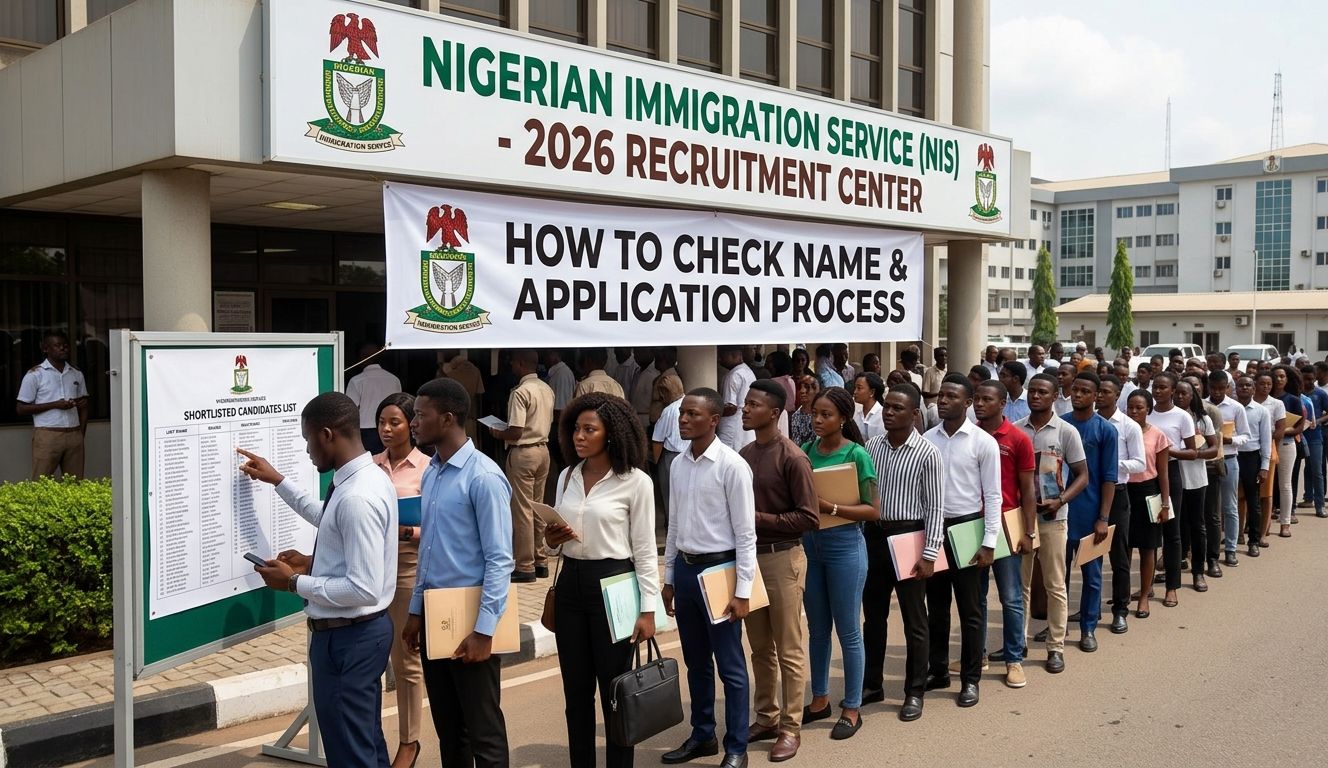
When there’s an open recruitment, thousands and sometimes millions of people apply. To stand out, your letter needs to show that you are disciplined, capable, and ready to serve. Unlike private sectors where you can be overly creative or use slang to sound “cool”, a federal application requires utmost professionalism. You need to sound obedient but highly competent.



Key Elements of a Standard Government Application Letter
If you want to write a letter that will catch the attention of the recruitment officers or the Chairman of the Civil Service Commission, there are specific elements your letter must contain. Missing any of these might show negligence on your part.
- The Right Addresses: Your letter must have two addresses. Yours at the top right corner, and the recipient’s address on the left side. Never mix this up.
- Formal Salutation: You don’t use “Dear Hiring Manager” here. It is usually “The Chairman,” or “The Honorable Minister,” or “The Director-General,” depending on who you are directed to write to. Always use “Dear Sir/Madam” if you are not putting their specific title in the salutation.
- A Clear Heading: This is the subject of your letter. It should be written in bold letters and underlined. For instance: APPLICATION FOR THE POST OF ADMINISTRATIVE OFFICER II.
- The Reference Number: If the job advert came with a reference number, it is very crucial you include it in your letter so they know exactly which batch you fall into.
- Your Core Competencies: A brief summary of what you studied and how it directly benefits the ministry or agency.
Step-by-Step Guide to Drafting Your Application Letter
Now let’s get into the main work. Writing the letter step by step. I will break it down so it is very easy for you to follow, even if you have never written an official letter since you left secondary school.
Step 1: Your Contact Information
Start by writing your full address at the top right-hand side of your paper or document. It should include your house address, city, state, your active phone number, and a professional email address. Please do not use email addresses like sexybaby2026@email.com. Use a simple combination of your first name and surname. Immediately below your address, write the date you are submitting the application.
Step 2: The Official’s Address
On the left-hand side, slightly below your date, you will put the address of the agency. You must address it to the exact office mentioned in the job advert. Usually, for federal jobs, it is addressed to the Permanent Secretary, the Director General, or the Chairman of the board. Make sure you get the physical address of their headquarters correct, which is mostly located in the capital city.
Step 3: The Salutation and Subject
Keep it respectful. “Dear Sir,” or “Dear Madam,” is perfectly fine. Immediately after that comes your subject line. This tells them why you are writing without them having to read the whole letter first. Keep it centered or align it to the left, but make sure it is in capital letters or properly title-cased and bolded.
Step 4: The Opening Paragraph
Your first paragraph should be direct. State clearly that you are writing to apply for the specific position advertised. Mention where you saw the advert. Was it in a national newspaper? Or on their official portal? Mentioning the source shows that you actually follow their official communications.
Step 5: Highlighting Your Qualifications and Experience
This is where you sell yourself, but remember to keep it humble. The government loves people who are ready to learn and serve. Mention your university degree, your class of degree if it’s strong, and your National Youth Service Corps (NYSC) completion, which is a mandatory requirement for federal jobs. If you have any previous work experience that relates to the job, mention it here. Explain how your skills will add value to that specific ministry or agency.
Step 6: The Closing Paragraph and Sign-Off
In your final paragraph, reiterate your readiness to serve the nation. Mention that your CV and other required credentials are attached to the letter. Thank them for their time and consideration. For the sign-off, always use “Yours faithfully,” followed by your signature and your full name. Never use “Yours sincerely” when you started with “Dear Sir”. That is a basic rule of formal letter writing that they still take very seriously in the civil service.
Common Mistakes to Avoid
People make alot of mistakes when applying for government jobs, and they wonder why they never get called for aptitude tests. Here are a few things you must avoid:
- Typos and Grammatical Errors: I know nobody is perfect and we all make mistakes, but having too many errors in an application letter shows you are careless. Proofread your work. Although a tiny mistake might slip by, major spelling errors will disqualify you.
- Being Too Casual: The government is a highly formal institution. Avoid slang, contractions like “I’m” or “won’t”, and overly conversational tones. Keep it strictly professional.
- Writing a Very Long Letter: Your application letter should never cross one page. The officials have thousands of letters to read. If yours is looking like a textbook, they will just skip it. Get straight to the point.
- Forgetting to Sign: An unsigned official letter is an invalid letter. Whether you are submitting physically or uploading online, make sure your signature is appended at the bottom.
Sample Federal Government Job Application Letter for 2026
To make things even easier for you, here is a practical template you can copy and edit to suit your specific situation.
[Your Full Name]
[Your Residential Address]
[City, State]
[Your Phone Number]
[Your Email Address]
[Date]
The Chairman,
Federal Civil Service Commission,
[Office Address]
[City, State]
Dear Sir,
APPLICATION FOR THE POSITION OF [INSERT JOB TITLE] – REF: [INSERT REFERENCE NUMBER IF ANY]
I am writing to formally express my interest in the position of [Insert Job Title] within the [Insert Ministry or Department], as recently advertised on your official recruitment portal. I am a dedicated and patriotic citizen with a strong desire to contribute my quota to the national development through the federal civil service.
I hold a [Insert Degree] in [Insert Course of Study] from [Insert University Name], where I graduated with [Insert Grade/Class of Degree]. I have also successfully completed my mandatory National Youth Service Corps (NYSC) program. During my academic and professional journey, I have developed strong skills in [Mention 2-3 relevant skills like administration, data analysis, or project management], which I believe align perfectly with the core objectives of your esteemed agency.
In my previous role at [Insert Previous Company if applicable], I was responsible for [Briefly mention one major achievement or duty]. I am highly adaptable, disciplined, and familiar with modern workplace technologies, making me well-equipped to handle the responsibilities that come with this position.
I have attached my curriculum vitae, NYSC discharge certificate, and other relevant credentials for your perusal. I look forward to the opportunity to further discuss how my background, skills, and certifications will be of immense benefit to the commission.
Thank you for considering my application.
Yours faithfully,
[Your Signature]
[Your Full Name]
Conclusion and Where to Apply
Writing a great letter is just the first part of the journey. You have to make sure you are submitting it at the right time and through the right channels. Always beware of scammers who ask for money to give you federal jobs. True government recruitment is free and is usually done through their official channels. Always prepare your documents ahead of time, scan them clearly if you are applying online, and ensure your internet connection is stable when uploading.
If you are ready to start your application process or want to check for ongoing official federal government recruitments in 2026, you should visit the official portal and create your profile. Ensure you fill in all your details accurately.
Official Link to Get Started: Federal Civil Service Commission (FCSC) Official Portal
Take your time, draft your letter properly, and don’t rush the process. Federal jobs are highly competitive, but with the right application letter, a solid CV, and good preparation for the aptitude tests, you stand a very high chance of getting selected this year. That’s How to Write a Federal Government Job Application Letter in 2026