
How to Start a Profitable Dropshipping Business in Nigeria 2026
Starting an online business is definetly one of the smartest moves you can make today, and if you are looking for a business model that requires very low startup capital then dropshipping is your best bet. A lot of people have been asking about how to start a profitable dropshipping business in Nigeria 2026 because the digital landscape is changing so fast. The e-commerce industry in Nigeria has grown massively over the last few years. With the increase in smartphone usage, better internet penetration and a growing middle class who prefers to shop online, there has never been a better time to dive into e-commerce.
This comprehensive guide will walk you through everything you need to know to setup a successful dropshipping bussiness from the comfort of your home in Lagos, Abuja, Port Harcourt or anywhere else in Nigeria. I am going to break down the exact steps, the best platforms to use, how to find hot products and how to market them to get crazy sales. Make sure you read to the end so you dont miss any important detail.
What Exactly is Dropshipping?
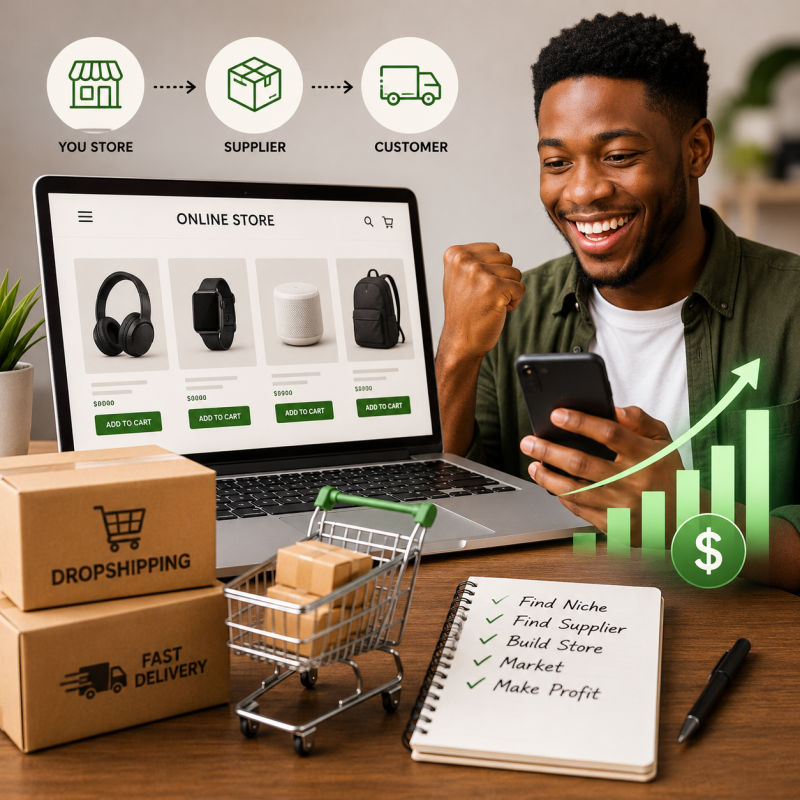
Before we go deep into the strategies, lets clearly define what dropshipping actually is. Dropshipping is an e-commerce retail fulfillment method where a store doesn’t keep the products it sells in stock. Instead when a store sells a product using the dropshipping model, it purchases the item from a third party supplier and has it shipped directly to the customer. As a result the seller doesn’t have to handle the product directly.


The biggest difference between dropshipping and the standard retail model is that the selling merchant doesn’t stock or own inventory. They act as a middleman. You market the product, the customer buys from your website at a retail price, you forward the order to your supplier at a wholesale price, and you keep the profit margin. It is that simple! But simple doesnt always mean easy, it requires dedication and the right strategy to make it profitable especially in Nigeria where we face unique chalenges like logistics and currency fluctuations.
Why Start a Dropshipping Business in Nigeria in 2026?
You might be wondering why 2026 is the perfect year to start. Well, here are a few solid reasons why the dropshipping business in Nigeria is booming right now:
- Low Barrier to Entry: You don’t need millions of Naira to rent a physical shop or buy bulk inventory. With just a laptop, internet connection and a small budget for hosting and running ads, you can launch your store.
- Flexibility: A dropshipping business can be run from just about anywhere. As long as you can communicate with suppliers and customers easily you can run and manage your business.
- Wide Selection of Products to Sell: Since you don’t have to pre-purchase the items you sell, you can offer an array of trending products to your potential customers. If a supplier stocks an item, you can list it on your website for sale at no additional cost.
- Growing Online Trust: Years ago, Nigerians were very skeptical about buying things online because of scams. But thanks to big platforms like Jumia and Konga, the trust level has increased. People are now more comfortable putting their card details online to buy products.
Step 1: Choose a Highly Profitable Niche
The first and probably most critical step in starting your dropshipping journey is selecting the right niche. A niche is a specific segment of the market you want to target. Don’t make the mistake of trying to sell everything to everyone like a general store. While general stores work for massive companies, as a beginner you need to focus on a specific niche to build brand loyalty and target your marketing effectively.
In 2026 some of the most profitable dropshipping niches in Nigeria include:
- Health and Beauty Products: Nigerians take their appearance and health very seriously. Products like organic skincare, hair growth serums, fitness equipment, and weight loss supplements are always in high demand.
- Consumer Electronics and Gadgets: Think about smartwatches, wireless earbuds, phone accessories, ring lights for content creators, and power banks. Because of the power situation in the country, anything that provides backup power or makes life easier is a hot seller.
- Fashion and Accessories: Watches, sunglasses, jewelry and customized clothing items are great. Just ensure you are sourcing high quality items so you dont get bad reviews.
- Baby Products: Parents are always willing to spend money on their kids. Baby monitors, educational toys, and specialized baby clothing are very profitable.
When picking your niche, use tools like Google Trends to see if the search volume for those products is consistent or growing. Also check social media platforms like TikTok and Instagram to see what people are currently buying.
Step 2: Find Reliable Dropshipping Suppliers
Your dropshipping business is only as good as your supplier. Because you never see or touch the products, you are entirely relying on your supplier to deliver high quality items on time. If they mess up, it’s your brand reputation that suffers. You will be the one dealing with angry customers and refund requests.
There are generally two routes you can take as a Nigerian dropshipper: International suppliers or Local Nigerian suppliers.
International Suppliers
Most dropshippers use platforms like AliExpress, CJ Dropshipping, or Hypersku. These platforms give you access to millions of products at very cheap wholesale prices from China. The profit margins can be huge. However the major downside is the shipping time. It can take anywhere from 14 to 30 days for products to reach Nigeria. If you are selling to a global audience (e.g targeting customers in the US or UK from Nigeria), then international suppliers are the best choice.
Local Nigerian Suppliers
If you want to sell strictly to the Nigerian market, it might be better to partner with local suppliers in major markets like Alaba International, Trade Fair, or Balogun market. There are also local dropshipping apps and fulfillment centers emerging like DropDash or Timart. Using local suppliers means you can offer fast 1-3 days delivery which Nigerians love, and you can even offer Pay on Delivery (POD) which drastically increases conversion rates.
Step 3: Setting Up Your Online Store
Now that you have a niche and a supplier, it is time to build your storefront. You don’t need to be a programmer or know how to write code to build a beautiful e-commerce website today. There are platforms designed specifically to make this easy.
The most popular and highly recommended platform for dropshipping worldwide is Shopify. It is incredibly user-friendly, has hundreds of themes, and integrates seamlessly with dropshipping apps like AliDropship or DSers so you can import products with just one click.
To start building your professional online store, you can get started with Shopify here.
If you are on a very tight budget and want to avoid monthly subscription fees, you can use WordPress with the WooCommerce plugin. It is free to use but you will need to pay for your own domain name and web hosting. It requires a bit more technical setup compared to Shopify, but it gives you total control over your website.
When designing your store, make sure you:
- Use high-quality product images and videos.
- Write compelling product descriptions that focus on the benefits of the product, not just the features.
- Ensure the website is mobile friendly because over 80% of Nigerians shop using their mobile phones.
- Include customer reviews and trust badges to make your store look legitimate.
Step 4: Integrate a Nigerian Payment Gateway
Getting paid is the most important part of the business! If you are selling to Nigerians you need a payment gateway that accepts Naira and allows customers to pay with their local bank cards, USSD or bank transfers.
The two major and most reliable payment gateways in Nigeria are Paystack and Flutterwave. Both of them integrate very easily with Shopify and WooCommerce. Setting up an account is free, but they charge a small percentage fee per transaction. You will need to provide some basic KYC documents like your BVN, a valid ID card, and if you have a registered business, your CAC documents. Though you can still start as an individual with limited transaction caps.
If you are targeting an international audience (e.g selling in dollars to the US), getting a reliable payment gateway from Nigeria can be a bit tricky because Stripe and PayPal have restrictions for Nigerians. However many dropshippers navigate this by registering an LLC in the US or UK remotely, which then allows them to open a Stripe or verified business PayPal account.
Step 5: Market Your Products Like a Pro
Having a beautiful store with great products means absolutely nothing if nobody knows it exists. Marketing is the engine that drives your dropshipping business. Since you don’t have foot traffic like a physical shop you have to buy traffic or create content to attract it.
Here are the best ways to market your dropshipping store in 2026:
1. Social Media Advertising (Facebook and Instagram Ads)
This is the most common and effective way to get sales fast. Meta (Facebook) has a very powerful algorithm that can find the exact people who are likely to buy your products. You can target people based on their interests, age, location and online behavior. Start with a small daily budget, test different video creatives and ad copies. Once you find an ad that is bringing in profitable sales, you scale it up by increasing the budget.
2. TikTok Organic and TikTok Ads
TikTok is currently a goldmine for e-commerce. You can order a sample of your product and create engaging, funny or problem-solving videos around it. If a video goes viral, you can get hundreds of free sales without spending a dime on ads. Alternatively, you can use TikTok ads which are often cheaper than Facebook ads right now.
3. Influencer Marketing
Find micro-influencers on Instagram or Twitter who have an engaged audience that matches your niche. You can pay them a flat fee to give your product a shoutout or offer them a commission for every sale they bring in. People trust recommendations from their favorite influencers, so this can bring high-quality traffic to your store.
4. Search Engine Optimization (SEO)
While ads bring immediate results, SEO is a long-term game. Optimize your product titles, descriptions, and write blog posts around your niche (just like this high quality article). When people search for those products on Google, your store can rank on the first page bringing you free, organic traffic for months and years.
Handling the Unique Challenges in Nigeria
Running a dropshipping business in Nigeria is highly profitable, but I wont lie to you, it comes with its own set of challenges that you need to be prepared for.
Exchange Rate Fluctuations: The Naira to Dollar exchange rate can be very unstable. If you are buying from AliExpress in Dollars and selling in Naira, a sudden spike in the exchange rate can wipe out your profit margin. You must constantly monitor the rates and adjust your store prices accordingly. Never set static prices and go to sleep.
Logistics and Delivery: If you are doing local dropshipping, finding reliable dispatch riders can be a headache. Sometime packages get delayed or damaged. Partner with reputable logistics companies like GIG Logistics or Sendbox to handle your deliveries professionally.
Pay on Delivery (POD) Issues: Nigerians love POD. It builds trust. However the rejection rate can be high. A customer might order a product and by the time the delivery guy gets there, they stop picking calls or say they don’t have money anymore. To reduce this, always call the customer to confirm the order before shipping, and try to collect a small commitment fee (like delivery fee upfront) to weed out unserious buyers.
Common Mistakes to Avoid as a Beginner
As you start your journey, try your best to avoid these common pitfalls that cause many beginners to fail and quit early:
- Giving up too soon: Dropshipping is not a get-rich-quick scheme. It takes time to find a winning product and figure out the right ad strategy. Dont close your store just because you didnt make a sale in the first week.
- Poor Customer Service: Always reply to customer emails and messages promptly. If a shipment is delayed, communicate with them. Bad reviews can destroy your business faster than anything else.
- Selling copyrighted or fake items: Stay away from selling fake Nike shoes or fake Apple products. Your payment gateway will ban you and you could face legal issues. Focus on unbranded problem-solving products.
- Overcomplicating the store design: Keep your website clean and simple. Too many pop-ups, flashy colors and unnecessary apps will slow down your site and annoy customers. A confused mind never buys.
Conclusion
Starting a profitable dropshipping business in Nigeria in 2026 is entirely possible and highly rewarding if you approach it with the right mindset and strategy. It offers a fantastic opportunity to build a sustainable source of income and achieve financial freedom without the heavy burden of manufacturing or warehousing products.
Remember that success in this business boils down to finding a hungry market, offering them a great product that solves their problem, and providing excellent customer service. Take action today. Choose a niche, find your supplier, build your store and launch your first ad. The e-commerce space is big enough for everyone, and your journey to building a profitable online empire starts right now. Stay consistent, keep learning from your mistakes and you will definetly see the results.